In this guide
Noise numbers need context
Marketplace titles sometimes promise a specific decibel level without explaining distance, room noise, intensity, or test method. A number measured on the lowest setting in an open room cannot predict what a device sounds like against a body or mattress. Treat an unsupported number as advertising, not a comparable laboratory result.
Design affects perceived noise. Rattling buttons, loose attachments, hard shells, and items placed on a bedside surface can sound louder than the motor itself. A lower setting may be quieter, but the relationship is not always linear. If discretion matters, prioritize a return policy and manufacturer support over a dramatic quiet claim.
Power changes with contact and grip
Strong is not one measurable consumer category. Some motors feel buzzy near the surface, while others feel deeper at the same apparent intensity. A wide wand spreads output across more area than a narrow bullet. Pressure, grip, and the flexibility of the contact surface also change how a device feels.
A long list of modes may describe patterns rather than meaningful intensity steps. Separate steady speeds from patterns when reading a listing. Controls that let a user return directly to a comfortable level are more useful than a large count that requires repeated cycling.
Charging convenience has hidden costs
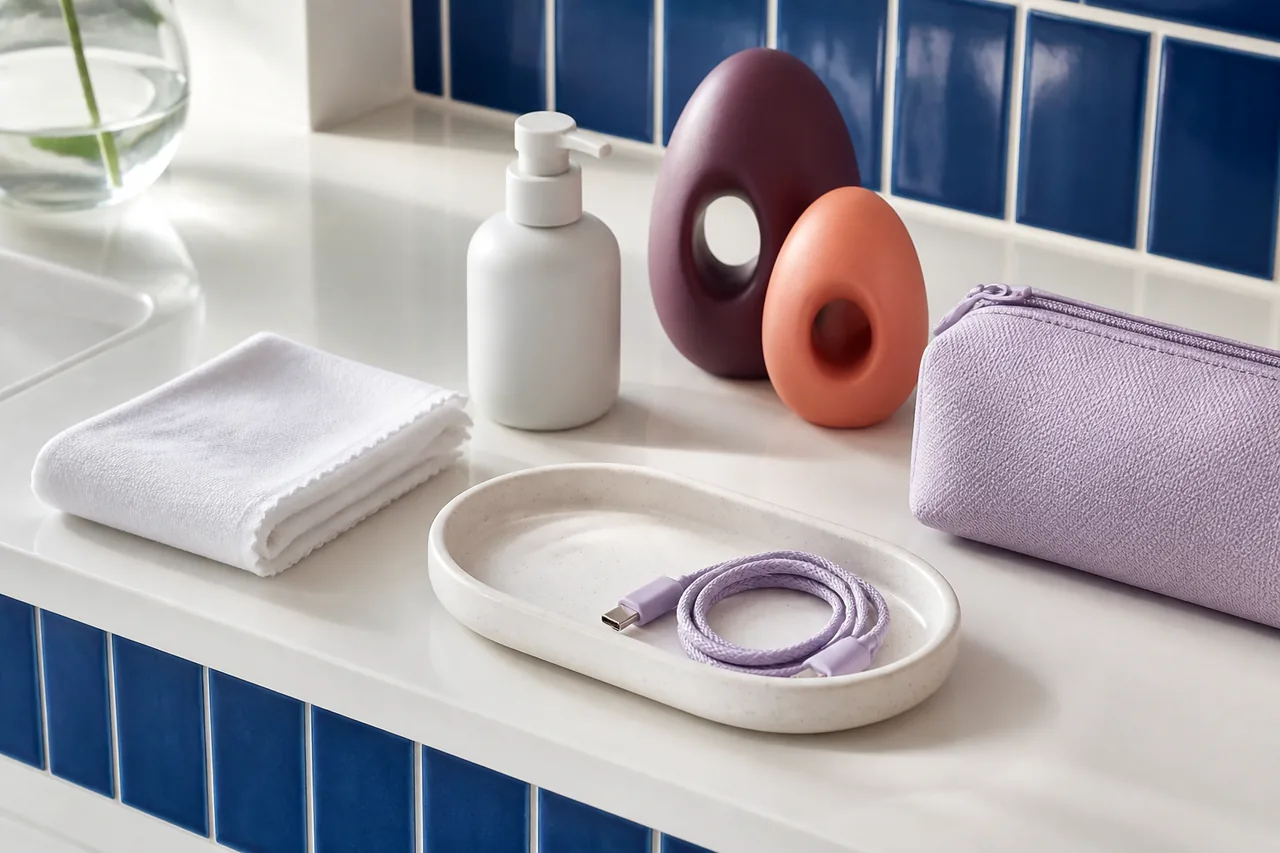
Check the exact model's charging connector, replacement cable and water-resistance instructions. Neither a magnetic connector nor a USB socket, by itself, establishes whether a product can be immersed. Battery-powered products avoid charging downtime but create recurring battery cost and waste.
Runtime claims depend on intensity, pattern, battery age, and temperature. Compare the stated charging time with stated runtime and ask whether the device can be used while charging. For safety, use the supplied cable and follow the manufacturer's power-adapter guidance rather than assuming every USB brick is appropriate.
Build a realistic priority order
Rank the three factors before shopping. A travel buyer might choose compact size first, quiet operation second, and maximum output third. Someone using a product at home may value an easy grip and broad power over size. A clear priority order prevents every new feature from becoming a requirement.
The product shelf does not publish copied noise, runtime, price, or rating claims. Those details can become stale and are difficult to compare across sellers. Use the exact product identifier as a starting point, then verify the current page, model, instructions and return terms.
- Define what quiet means in your room.
- Separate steady speeds from patterns.
- Confirm charger type and replacement options.
Sources & further reading
Background references checked September 8, 2026. These sources inform the topic; they do not certify or test the products in our buying notes.
Put the questions to work
Compare these buying notes next. Product links on the detail pages may earn us a commission.
- plusOne Bullet Vibrator ↗Compact bullet
- ZOOPLOU Wearable Couples Vibrator ↗Connected wearable